
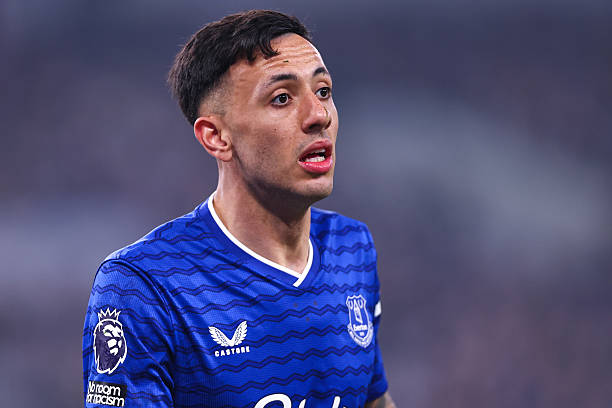
Tensions ran high in the aftermath of Everton’s latest Premier League outing, as goalkeeper Jordan Pickford delivered a candid and unexpected assessment during a live post-match interview on Sky Sports. Known for his passion and vocal presence on the pitch, Pickford did not hold back this time, openly attributing responsibility for the second goal conceded to his teammate, Dwight McNeil.
The moment, which unfolded live on air, immediately caught the attention of fans and pundits alike. Pickford, often regarded as a leader within the Everton squad, expressed visible frustration as he dissected the sequence of events leading to the goal. His comments suggested a lapse in concentration or decision-making from McNeil, which ultimately proved costly for the team.
“It’s about accountability,” Pickford implied during the interview, his tone firm yet controlled. “At this level, small mistakes get punished, and we have to be honest about where things go wrong.” While he stopped short of personal attacks, the implication was clear—he believed McNeil’s actions directly contributed to the defensive breakdown.
Such public criticism between teammates is relatively rare in modern football, where dressing room unity is often carefully protected from external scrutiny. Pickford’s remarks, therefore, have sparked debate about whether his approach was a necessary show of leadership or an ill-advised airing of internal issues.
From a tactical perspective, the incident highlights Everton’s ongoing struggles with defensive cohesion. Whether it was a misplaced pass, a failure to track back, or a positional error, moments like these underline the fine margins that define matches at the highest level. Pickford, as the last line of defense, often bears the ultimate consequence of such lapses, which may explain the intensity of his reaction.
For McNeil, the spotlight now turns to how he responds. The winger has been a key figure for Everton, contributing both creatively and defensively throughout the season. However, being singled out in such a public manner can test a player’s resilience. A strong response on the pitch could quickly shift the narrative, while any lingering effects might raise further questions.
Within the Everton camp, manager and coaching staff will likely address the situation internally, aiming to prevent any disruption to team morale. Open communication is vital, but so too is maintaining unity, especially during challenging periods in the season.
For supporters, the incident offers a glimpse into the emotional intensity that defines professional football. While some fans have praised Pickford for his honesty and leadership, others believe such matters should remain behind closed doors. Regardless of opinion, the moment has undeniably added another layer of intrigue to Everton’s campaign.
As the team prepares for their next fixture, all eyes will be on both Pickford and McNeil. How they respond—individually and collectively—could play a crucial role in shaping Everton’s momentum moving forward.