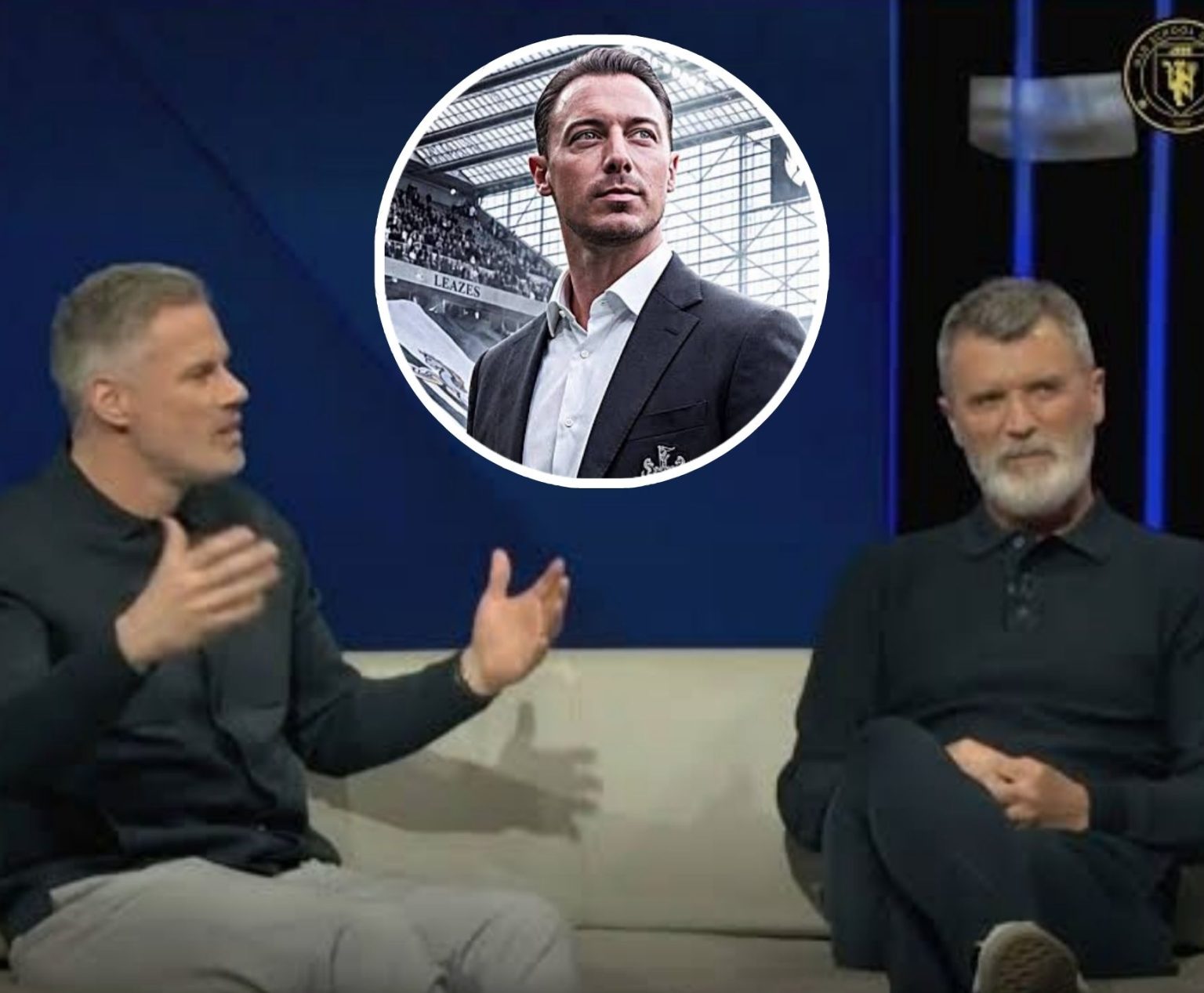
“…The Signs Were There…” Newcastle CEO David Hopkinson Sparks Fury with First Interview After Eddie Howe Exit – Fans Already Fear the Worst

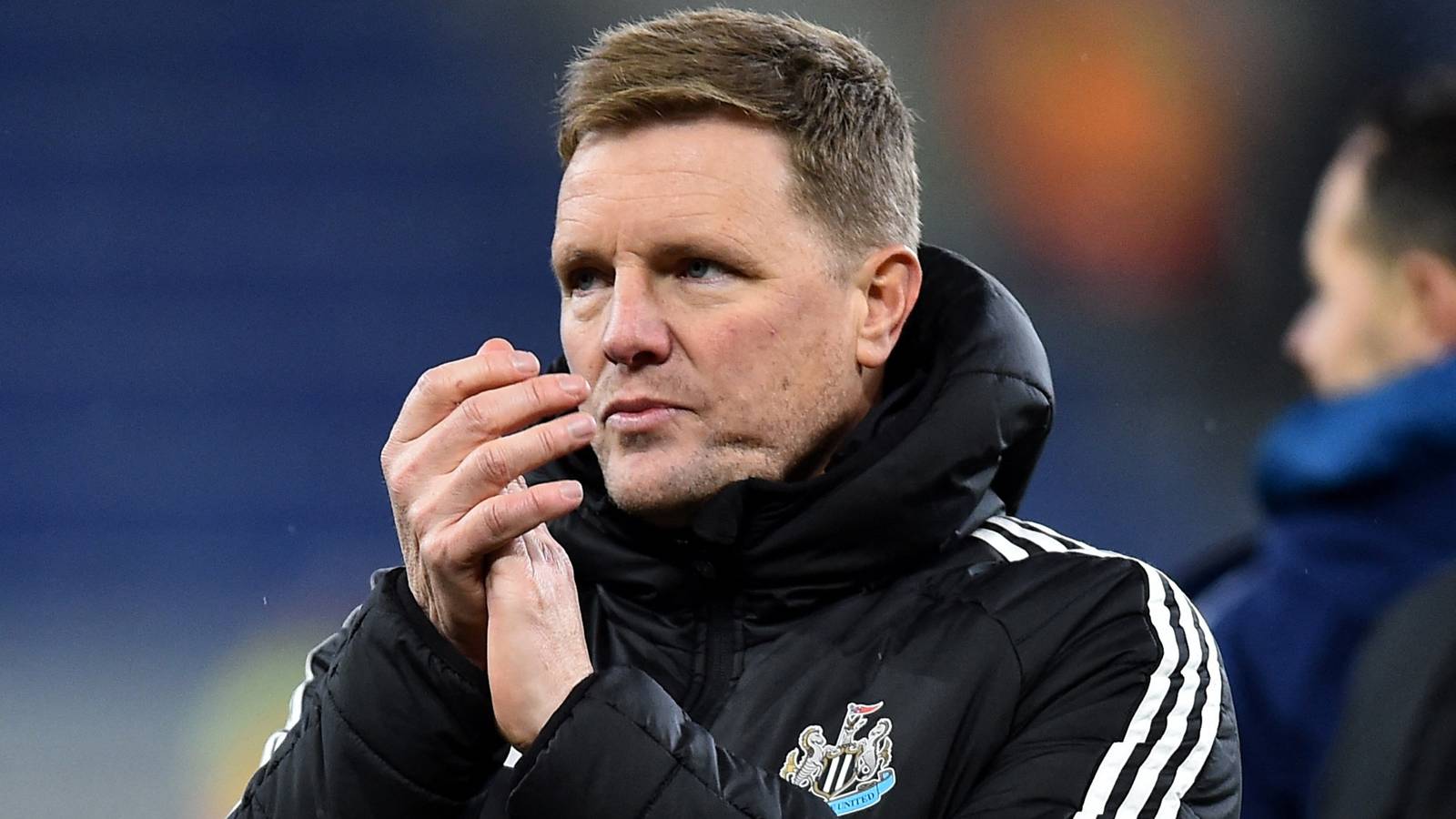
Hard on the heels of Keegan’s untimely death comes Howe’s departure, revealed this morning by The Athletic, and it is difficult not to place those two events together, at least in terms of an emotional bookending for Tyneside. Keegan took Newcastle into the Premier League in 1993 and made them strain for silverware, while three decades later Howe oversaw the end of the club’s magnificent obsession. The great itch was finally scratched.
Howe has spoken repeatedly about the influence Keegan’s doomed and dashing team had on him as a young footballer. When he was appointed post-takeover, he talked about replicating the energy and success of “The Entertainers,” and the effect they had on the city. The pair spoke regularly and finally became friends.
Their sides were different stylistically. If Keegan’s Newcastle could be naive and beautiful as well as destructive, Howe built a team of hard-running swarmers who, at their best, would do anything in their power to win. Both, in their own way, were breathtaking, and at times it felt as if both men understood Newcastle better than Newcastle understood itself.
Howe’s achievements were extraordinary, none more so than his first. Newcastle were flatlining when he arrived in November 2021. At that point, they had not won a match of any description. Their second victory of the season did not come until January. What followed was extraordinary and a gritty sort of miracle.
Powered by some brilliant signings – Kieran Trippier, Dan Burn and Bruno Guimaraes – they stayed up comfortably, and Newcastle was aflame with excitement and surprise. Here, too, there were echoes of Keegan’s blissful early days, when queues snaked outside the stadium hours before kick-off and every victory felt like alchemy.

The following season, Newcastle raced towards the Champions League and reached the Carabao Cup final, where they were beaten by Manchester United. The next time they did the beating: Liverpool were dispatched at Wembley and Newcastle won their first domestic trophy for 70 years. Howe and his players were automatically enshrined as club legends.
If that felt like a springboard for Newcastle, it quickly snapped. The contentious, drawn-out loss of Alexander Isak to Liverpool left the club flailing for replacements, a hangover that seeped into last season. There had been too much churn in the boardroom and Howe had frequently suffered from a lack of support and a boom-bust cycle of recruitment. Momentum deserted them again. No longer football’s famous losers, Newcastle’s identity was now blurred.
In the early days, Howe had effectively served as a de facto sporting director, leading signings. As the club grew from the hollowed-out shell left by Mike Ashley, progress was never linear and his work regime was punishing. There were fires to put out; an unbalanced squad, unsettled players, grumpy fans, some truly dispiriting defeats.
A month after their cup win, Howe was admitted to hospital and diagnosed with pneumonia. Was this connected to his schedule?
“Possibly,” he told The Athletic. “I don’t think I’ll ever truly know, but the job is everything; it consumes my life to such a degree that, being honest, it probably affects your health negatively. There are positive benefits to it, like being around the best care. But you’re in high-stress situations continually — matchdays, negative results — and you don’t know what effect that has on your body.”
By the end of a transformative season, Newcastle had also returned to the Champions League, but success had taken a heavy toll. The first half of the season was a slog of mediocrity and keeping disgruntled players on board. “Nobody but Eddie and his staff will ever know how tough it has been,” an associate said.