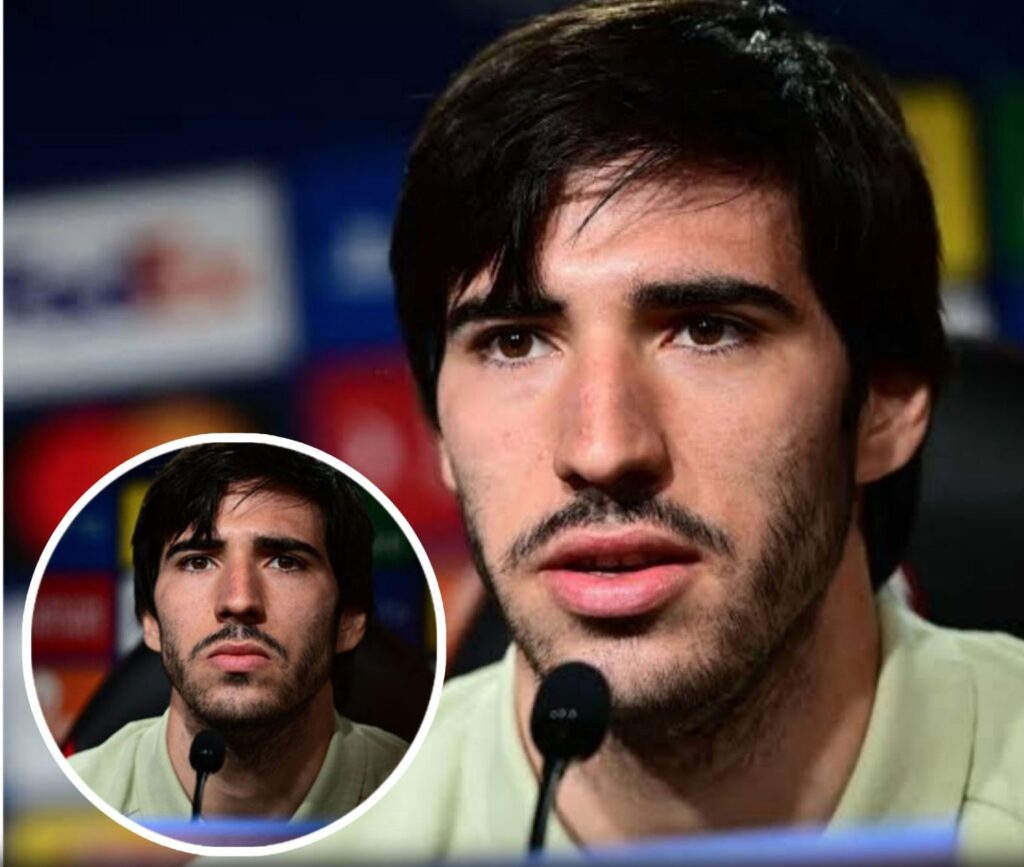

On Tyneside, despite serving a 10-month suspension for betting offences and so missing most of his first season, Tonali swiftly struck up an enduring bond with supporters.
He is known as Newcastle’s “midfield maestro from Milano” and, following a positional change, was arguably the critical factor in the club qualifying for the Champions League in 2024-25 and in ending their 70-year domestic trophy drought by lifting the Carabao Cup something Tonali had vowed to do as an attempt to make amends for the support he received during that lengthy ban.
Why he evokes such a strong emotional response is difficult to explain with words or visuals. What Tonali is, what he does and what he brings can only truly be appreciated by observing him in action over a prolonged period.
The Italian is a midfielder, but he is not an out-and-out defensive screener, nor is he a box-to-box type or a metronomic passer. Tonali is somewhere in between; he can do a bit of everything and, physically and aerobically, is ideally suited to the Premier League.
While Howe would love to continue to build his team around the Tonali-Bruno Guimaraes axis, Newcastle have anticipated interest and the expectation is that the Italian would be open to exploring a move away (even if he has not personally communicated that to the St James’ hierarchy).
But with Tonali effectively contracted until 2030 — his deal runs to the end of the 2028-29 season, but the club can unilaterally extend it by another year — Newcastle will demand a sizeable fee, especially should Elliot Anderson, their former academy graduate, leave Nottingham Forest in this window for in excess of £120million, which would not be a shock.
Throw Tonali’s salary on top of whatever the transfer fee is likely to be and Newcastle believe there are only a handful of clubs in the world who can afford him, a situation which has all but ended any hopes he may have of returning to play in Serie A.