Growing scrutiny at has now centred firmly on Belgian midfielder , as frustration reportedly mounts within the club’s hierarchy over recurring mistakes in key moments.
Sources suggest that influential figures, including and representatives connected to the San Francisco 49ers investment group, are increasingly concerned about patterns in Raskin’s performances that they believe are undermining the team’s stability. Rangers’ ownership structure has placed strong emphasis on discipline, structure, and tactical intelligence — traits that are seen as non-negotiable for a club with domestic and European ambitions.
The concern is not about talent. Raskin’s technical ability, work rate, and aggression in midfield are widely recognised. Since arriving at Ibrox, he has demonstrated flashes of the dynamism and composure that made him highly rated during his time in Belgium. However, repeated lapses — whether positional errors, unnecessary fouls, or decision-making under pressure — have drawn increasing attention.
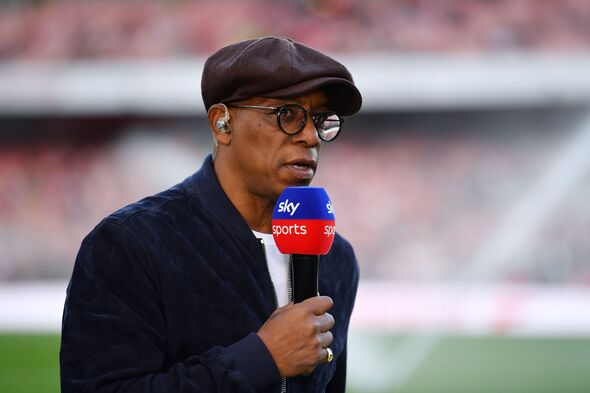
What has amplified the situation is public commentary from club legend . Boyd has openly pointed out similar issues in Raskin’s game on multiple occasions, highlighting what he perceives as avoidable mistakes that disrupt Rangers’ rhythm. When a former Rangers striker of Boyd’s stature identifies recurring flaws, it inevitably intensifies debate among supporters and analysts alike.
Behind the scenes, the ownership group is believed to be taking a data-driven approach. With American investment influence comes a performance-based culture where consistency is critical. Rangers are striving to build a squad capable of sustained success, and that demands reliability in high-pressure fixtures. Repeated individual errors, particularly in midfield — a position central to control and tempo — can have ripple effects across the entire team structure.
Supporters appear divided. Some argue that Raskin’s energy and commitment remain vital assets and that young players inevitably experience dips in consistency. Others believe that Rangers, given their stature and expectations, cannot afford recurring mistakes at crucial stages of the season.
For Raskin, this period represents a significant moment in his Rangers career. The spotlight is brighter, the scrutiny sharper, and the expectations higher. Yet football careers are often defined not by setbacks, but by responses to them. If he can channel criticism into improvement, this chapter could ultimately strengthen his standing within the squad.
For the Rangers hierarchy, the message appears clear: standards must be maintained. The involvement of Andrew Cavenagh and figures linked to the 49ers investment model reflects a commitment to long-term structure and accountability. How Raskin responds — and how the club manages the situation — may well shape the narrative of Rangers’ season moving forward.
At Ibrox, excellence is not optional. And for Nicolas Raskin, the coming weeks could prove decisive in reaffirming his importance to Rangers’ ambitions.