Gabriel Agbonlahor Questions One Star’s Display As Roy Keane’s Verdict Overshadows Aston Villa’s Champions League Win


Roy Keane’s Verdict Overshadows Aston Villa’s Champions League Win as Gabriel Agbonlahor Questions One Star’s Display
Aston Villa may have begun their 2026/27 Champions League campaign with a dramatic 3-2 victory over Club Brugge, but the result has not completely hidden the concerns surrounding their performance. While Unai Emery’s side showed plenty of attacking quality, their defensive concentration and ability to maintain control came under serious scrutiny after Club Brugge repeatedly found ways back into the contest.
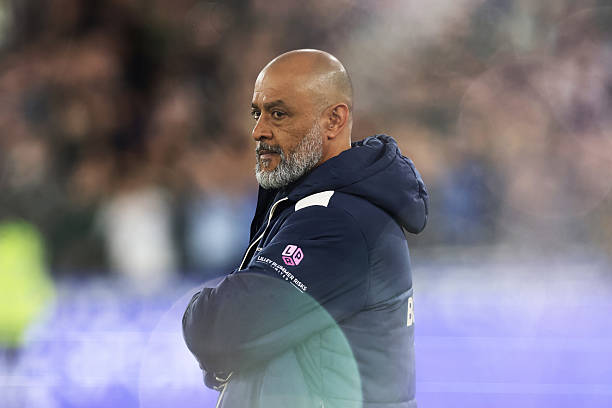
One of the biggest talking points has been the performance of Aston Villa’s players without the ball. Former Villa striker Gabriel Agbonlahor has delivered a strong assessment of what he saw, questioning whether the display from one Villa star could genuinely be described as “world class.”
The criticism centres around Aston Villa’s struggles to retain possession, with the highlighted statistic showing the side losing possession 17 times during the match. For Agbonlahor, that figure appeared to underline a lack of intensity and concentration that could become a major problem when Villa face even stronger opposition in Europe.
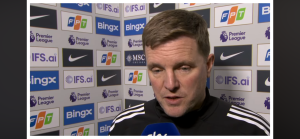
The comments have added another layer to the discussion surrounding the match, particularly after Roy Keane’s verdict also attracted attention. The former Manchester United captain is well known for his uncompromising analysis, especially when it comes to players failing to show the required level of concentration and responsibility.
Villa supporters, however, can point to several positives from an entertaining European night.
John McGinn was undoubtedly one of the biggest success stories. The Villa captain produced an outstanding performance, opening the scoring with a superb strike and eventually being named the BBC Sport Player of the Match. His performance was rewarded with an impressive 8.65 rating from BBC users.
McGinn’s goal also carried historical significance, making him Aston Villa’s leading European goalscorer with his 12th goal for the club. His contribution demonstrated once again why Emery continues to rely heavily on his captain in important matches.
Pau Torres was another player who impressed. The defender received a 7/10 from the BBC match reporter, while BBC users gave him an 8.06 rating. His contribution went beyond his defensive duties, as he played an important role in the build-up to two of Villa’s goals.
Torres supplied the ball for McGinn’s opener and later produced the pass that allowed Nicolas Jackson to score his first goal for Aston Villa. Jackson also provided one of the night’s major positives, giving Villa an important attacking threat and helping Emery’s side establish a three-goal haul before the break.
However, Aaron Wan-Bissaka endured a far more difficult evening.
The right-back was making his full Aston Villa debut after arriving to provide competition in the position, but his performance became increasingly uncomfortable as the match progressed. He was unable to prevent Club Brugge’s equaliser from developing and later conceded the penalty that brought the Belgian side back into the contest after the ball struck his arm.
Nicolò Tresoldi converted the spot-kick, cutting Villa’s advantage to 3-2 and transforming what had looked like a comfortable evening into a tense finale.
The BBC match assessment gave Wan-Bissaka a 5/10, the lowest rating among Villa’s starters. Although BBC users were slightly more generous with a 6.68 rating, his performance remained one of the major talking points after the final whistle.
The penalty was particularly damaging because Villa had previously appeared to have the game under control. Once Club Brugge reduced the deficit, confidence visibly shifted, and the home side suddenly had a route back into the match. Tresoldi later struck the post, further highlighting how close Villa came to surrendering their advantage.
That is why the criticism from Agbonlahor and the wider scrutiny of Villa’s performance cannot simply be dismissed because the final scoreline reads 3-2.
Winning the opening Champions League match is undoubtedly valuable, but the manner in which Villa allowed Club Brugge back into the game will concern Emery. Losing possession repeatedly and allowing opponents to create opportunities after establishing a commanding advantage are weaknesses that could be punished much more severely by elite European opposition.
For now, though, Villa have the most important thing: three points.
McGinn’s leadership, Jackson’s attacking contribution and Torres’ quality provide plenty of encouragement. But the warnings from Agbonlahor and the criticism surrounding the defensive display suggest that Villa still have work to do.
The victory may have been dramatic, but the message is equally clear: if Aston Villa want to compete seriously in the Champions League, they must show greater concentration, retain possession more effectively and avoid giving opponents unnecessary opportunities to fight their way back into matches.