
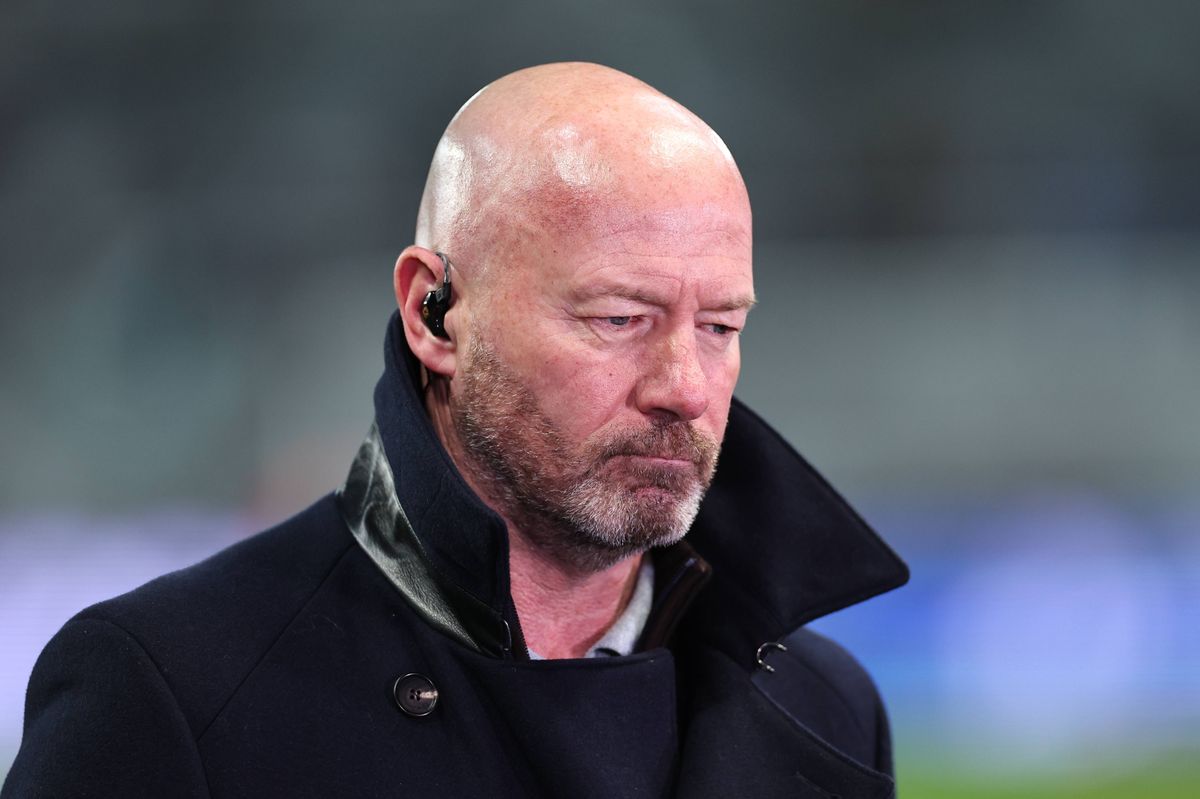
Fury has erupted across the football community following outspoken remarks from Alan Shearer in the aftermath of Sunderland’s crushing 5–0 defeat to Nottingham Forest.
The heavy loss, already a painful moment for supporters of Sunderland AFC, was further inflamed by Shearer’s blunt post-match analysis on Sky Sports, which many fans have described as “disrespectful” and “over the line.”
The former England international, known for his no-nonsense approach to punditry, did not hold back in his assessment of Sunderland’s performance.
Shearer reportedly labeled the display as “embarrassing” and questioned the professionalism and tactical discipline of the squad.
While such direct criticism is not unusual in modern football analysis, the tone and delivery of his comments appear to have struck a nerve with the Sunderland faithful.
Supporters quickly took to social media to voice their frustration, with a growing number calling for Shearer to be removed from his role at Sky Sports. Hashtags demanding accountability began trending within hours of the broadcast, reflecting the scale of the backlash.
Many fans argued that while criticism is part of the game, pundits have a responsibility to maintain a level of respect, particularly when addressing clubs with rich histories and loyal fanbases.
From a neutral standpoint, Shearer’s comments can be interpreted as a reflection of the high standards expected in professional football. Sunderland’s defeat was not just a loss—it was a comprehensive breakdown across all areas of the pitch, from defensive organization to attacking cohesion. For a club with ambitions of competing at a higher level, such performances inevitably attract scrutiny from high-profile analysts.
However, the controversy raises broader questions about the role of punditry in football discourse. Should analysts prioritize honesty, even if it risks offending supporters, or is there a line that should not be crossed when critiquing a team’s performance? In Shearer’s case, his reputation as a forthright voice has long been both his strength and his source of criticism.
It is also worth noting that Sky Sports has yet to issue any official response regarding the situation. The broadcaster has historically supported its pundits’ right to express strong opinions, provided they remain within professional boundaries. Whether this incident prompts any internal review remains to be seen.
For Sunderland, the focus will ultimately need to shift back to football. A defeat of this magnitude exposes deep-rooted issues that cannot be ignored, regardless of external commentary. Managerial decisions, player accountability, and tactical adjustments will all come under the spotlight in the coming days as the club seeks to respond.
In the wider context, this episode underscores the intense emotional connection between clubs and their supporters. When results are poor, criticism is inevitable—but the reaction to Shearer’s remarks highlights just how sensitive and passionate football communities can be. Whether the calls for his removal gain any real traction or fade with time, one thing is certain: the debate over the boundaries of punditry is far from over.