
Roy Keane’s Response Puts Ali McCoist’s Criticism Into Perspective
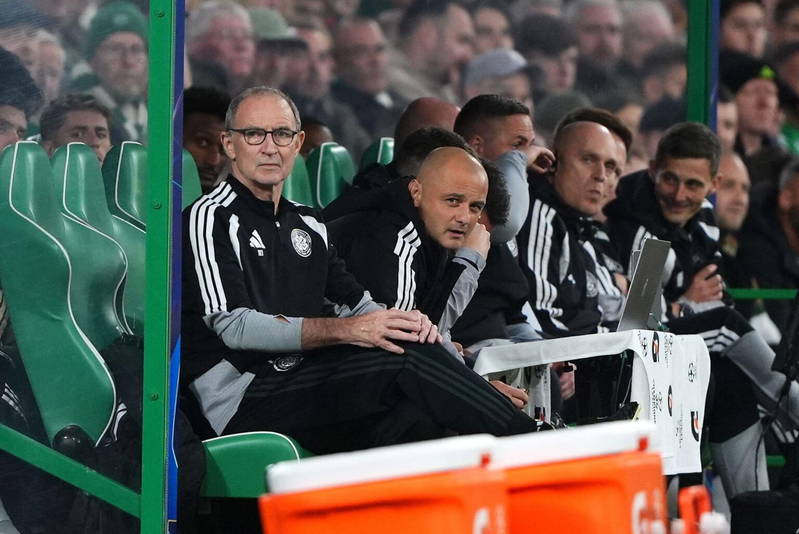
The heated discussion surrounding Celtic manager Martin O’Neill’s tactical decisions has taken another dramatic turn after Roy Keane delivered a response that appeared to remind Ali McCoist of the bigger picture.
During the discussion, McCoist questioned aspects of O’Neill’s tactical approach, describing the decisions as appearing “disinterested” and suggesting that Celtic had been left exposed. His criticism immediately sparked debate, but Keane’s reaction shifted the conversation toward O’Neill’s achievements and what he had already delivered for the club.
Keane’s message was essentially simple: before judging O’Neill too harshly after one disappointing result, look at what the Celtic boss has already accomplished.
O’Neill’s previous campaign had been hugely successful, with Celtic securing a domestic double and establishing themselves as the dominant force in the competition. That achievement, according to the argument Keane was making, should not suddenly become irrelevant because of one poor performance.
The timing of the criticism has also become a major talking point. Celtic had made a strong start to the new campaign, reportedly producing convincing performances and collecting victories against the teams they had faced. The latest defeat therefore represented a significant change from what supporters had become accustomed to seeing.
Rather than seeing the result as evidence that everything had suddenly gone wrong, Keane appeared to view it as a setback that needed to be placed into context.
That is what made his exchange with McCoist so compelling.
Keane did not simply focus on the mistakes made during the match. His response brought attention back to the manager’s overall record and the success he had already delivered. Winning a domestic double is not something that can simply be dismissed after one defeat, particularly when the team had entered the new campaign in strong form.
The debate has consequently divided opinion among supporters.
Some Celtic fans believe McCoist was right to question the tactical decisions, particularly if they felt the team looked vulnerable and lacked the control expected from them. Others have rallied behind Keane’s argument, insisting that O’Neill deserves more respect because of what he achieved last season and the impressive start made before this setback.
For those supporters, one defeat should not erase months of successful football.
And that is where Keane’s response has resonated most strongly.
His intervention appeared to be a reminder that football management cannot always be judged by one night. Managers can make mistakes, teams can have poor performances and results can suddenly go against expectations. But assessing an entire managerial job requires looking at the wider body of work.
O’Neill’s previous success, combined with Celtic’s strong start to the current campaign, gives him significant credit in the bank.
The defeat may have exposed weaknesses that need to be addressed, and McCoist’s tactical concerns could still be debated. But Keane’s point was that criticism should be balanced against achievement.
That exchange has now become one of the major talking points among Celtic supporters, with fans debating whether McCoist went too far or whether Keane was right to remind everyone of O’Neill’s accomplishments.
For Celtic, however, the bigger challenge is what happens next.
The defeat may have ended their perfect run, but it does not define the season. O’Neill now has the opportunity to respond on the pitch, correct the weaknesses exposed in the defeat and show that the success of last season was no accident.
And if Celtic return to winning ways quickly, Keane’s argument will look even stronger.