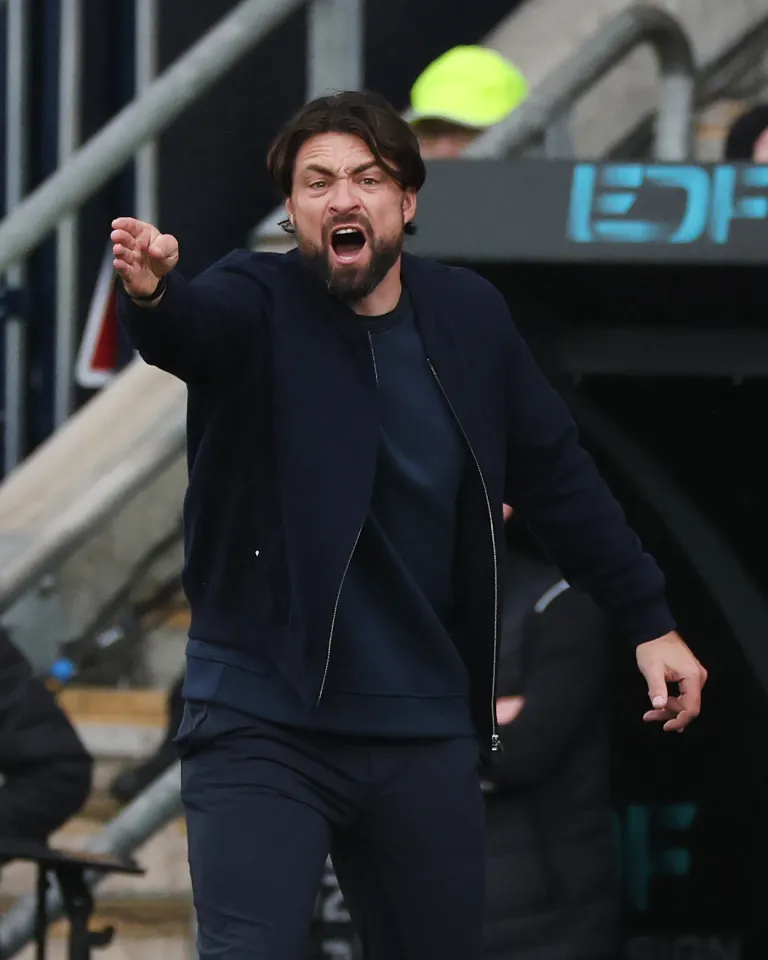
“THE REFEREE GIFTED THEM THE GAME” – MATTHIAS JAISSLE UNDER PRESSURE AFTER NEWCASTLE’S DEFEAT TO COVENTRY

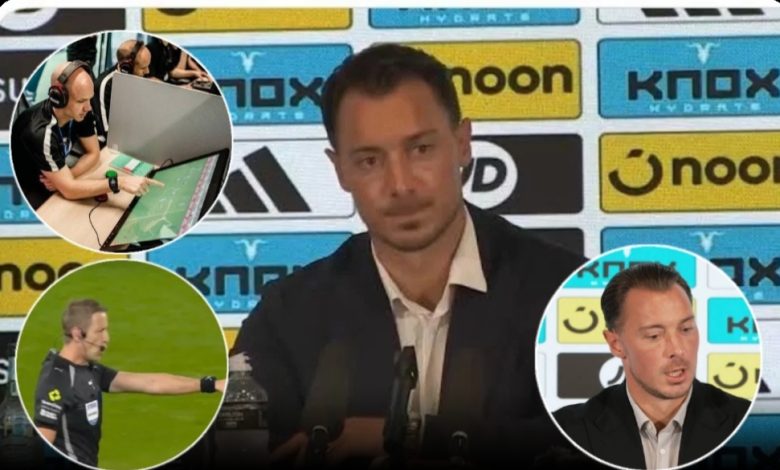
Newcastle United’s defeat to Coventry City has raised serious questions about the Magpies’ performance, with attention turning towards the decisions made during the match and the response expected from manager Matthias Jaissle.
The result nevertheless presents Newcastle with an important opportunity to examine what went wrong, particularly as the club attempts to establish consistency under its new manager.
Newcastle’s defeat raises difficult questions
Newcastle entered the encounter hoping to build on their previous 2–1 victory over Hull City, which had offered encouragement following their disappointing 4–1 defeat against Leeds United.
According to the Premier League’s match coverage, Coventry took the lead through Jack Rudoni’s penalty after goalkeeper Lukas Hornicek committed a foul, before Newcastle attempted to respond.
Coventry’s organisation and defensive determination made the contest increasingly difficult for the visitors, who struggled to convert their possession into enough clear opportunities during the opening period.
The defeat, reported as a 4–1 victory for Coventry by The Guardian, will inevitably place Newcastle’s performance under scrutiny, although the precise details of the final score and match incidents should be checked against the official match report.
For Jaissle, the immediate challenge is to understand why his team failed to impose itself on a match that offered an opportunity to collect valuable points.
Why refereeing decisions can become a major talking point
Football managers understandably become frustrated when they believe important decisions have gone against their teams, particularly when those decisions occur during decisive moments.
A penalty, a disallowed goal, a potential red card or a missed foul can change the momentum of a contest and influence the tactical decisions made by both managers.
Nevertheless, frustration alone does not establish that an official made an incorrect decision.
In Newcastle’s case, the penalty awarded to Coventry was a significant moment because it allowed the home side to establish an early advantage.
The decision should be assessed according to the applicable laws of the game and the available footage rather than the emotions surrounding the result.
If Jaissle believes that other decisions were inconsistent, the appropriate response would be to identify the incidents clearly and explain why he considers them incorrect.
That would give supporters a stronger basis for understanding his concerns than a general accusation that the opposition received an unfair advantage.
Newcastle must also examine their own performance
Although refereeing decisions can influence a match, Newcastle cannot afford to allow controversy to distract from their own shortcomings.
The Magpies have already experienced a difficult afternoon against Leeds this season, conceding four goals in a performance that exposed defensive weaknesses.
Their subsequent victory over Hull demonstrated that the team could respond positively, but the Coventry encounter has again raised questions about consistency.
For a club with Newcastle’s ambitions, consecutive setbacks can create pressure on the manager, coaching staff and players to demonstrate that the project is progressing.
Defensive organisation must be a priority, particularly when opponents use quick transitions to exploit spaces behind the midfield.
Newcastle also need greater precision in possession, because controlling the ball is not enough if that control does not produce meaningful opportunities.
The forwards must receive the ball in dangerous areas, while midfielders need to provide better support and the defenders must remain disciplined when possession is lost.
These are responsibilities that cannot be transferred entirely to the referee.
Jaissle faces an important test of leadership
Every manager encounters difficult results, but the way a manager responds can influence how quickly a team recovers.
Jaissle must decide whether Newcastle need tactical adjustments, changes to the starting line-up or a different approach to managing pressure during difficult away fixtures.
His public comments, if he chooses to discuss officiating, will also matter because supporters will want to understand whether he believes the performance was undermined by individual decisions or by wider problems within the team.
A manager can defend his players without ignoring their mistakes.
Equally, acknowledging tactical weaknesses does not mean that legitimate concerns about refereeing should be dismissed.
The most effective response would combine an honest assessment of the performance with a clear explanation of any disputed incidents.
That would demonstrate accountability while preventing the controversy from becoming the defining story of Newcastle’s season.
What Newcastle supporters will expect next
Newcastle supporters have invested considerable hope in the club’s ability to compete consistently, and another disappointing result will naturally lead to questions about the team’s direction.
Some fans may focus on individual refereeing decisions, particularly if they believe those moments changed the course of the contest.
Others will argue that the players must take responsibility for their defensive mistakes, ineffective attacking play and failure to respond effectively when the opposition gained momentum.
Both perspectives can exist without automatically establishing that the referee was responsible for the defeat.
For supporters in Nigeria and elsewhere who follow Newcastle, the key concern will be whether the team can recover quickly and demonstrate greater discipline in its next fixture.
The response on the pitch will ultimately carry more weight than the reaction after the final whistle.
If Newcastle return with improved defensive organisation and greater attacking purpose, the Coventry setback could become a valuable lesson rather than the beginning of a prolonged crisis.
However, another poor performance would intensify the pressure on Jaissle and increase questions about whether the current tactical approach is producing the expected results.
The bigger picture for Newcastle United
One defeat does not determine the success or failure of a managerial appointment, particularly during the early stages of a season.
Nevertheless, repeated defensive problems and inconsistent performances can become serious concerns if they remain unresolved.
Newcastle must identify the reasons behind their latest setback and ensure that the coaching staff, players and club leadership share a clear understanding of what needs to improve.
If there were controversial refereeing decisions, those incidents deserve fair scrutiny through the appropriate channels.
If the officials made correct decisions, Newcastle must accept that reality and concentrate on correcting their own mistakes.
Either way, the club cannot afford to allow frustration to replace analysis.
The objective should be to learn from the defeat, restore confidence and return to winning form as quickly as possible.
Final verdict
The headline alleging that Matthias Jaissle accused the referee of gifting Coventry the game captures the anger that can follow a damaging football result, but the exact quotation remains unverified.
Newcastle’s defeat deserves serious analysis, and any disputed officiating decisions should be examined on their individual merits.
However, the Magpies must also confront their own performance and take responsibility for the areas they can control.
For Jaissle, the strongest response will not come from an accusation alone, but from demonstrating that Newcastle can learn from adversity, improve their organisation and compete more effectively in their next match.