Following Crystal Palace’s Europa Conference League clash with shakhtar, it was ALAN SHEARER who stole the spotlight with a brutally honest assessment live on Sky Sports.

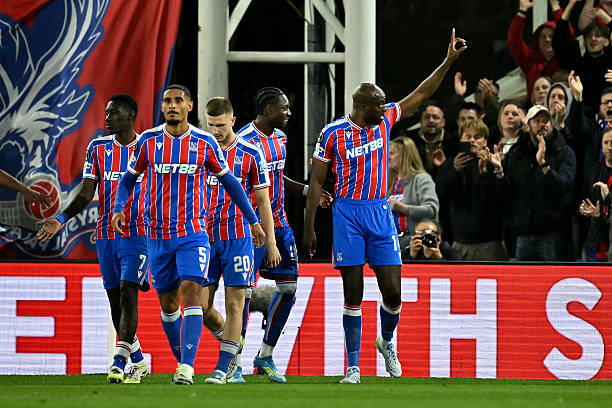
A Night to Remember: Sarr Shines as Shearer Applauds Palace’s Driving Force
Crystal Palace’s impressive run of form this season has sparked growing admiration across the football world, and following a standout performance against Shakhtar Donetsk, one player has firmly captured the spotlight—Ismaïla Sarr.
The Senegalese winger delivered a display of pace, precision, and attacking intelligence that not only thrilled fans but also earned high praise from Premier League legend Alan Shearer.
Speaking after the match, Shearer did not hold back in his assessment of Sarr’s influence, highlighting the winger’s growing importance to Palace’s tactical structure. According to the former striker, Sarr has evolved into the “mastermind” behind the team’s attacking rhythm this season—a player capable of turning moments into match-winning opportunities.
Facing a disciplined Shakhtar side, Ismaïla Sarr was electric from the first whistle. His ability to stretch the opposition’s defense with blistering runs and intelligent positioning created constant problems. Time and again, he found space in dangerous areas, linking effectively with teammates and driving Palace forward with intent.
What set Sarr apart on the night was not just his speed, but his composure in key moments. Whether cutting inside to deliver threatening passes or taking on defenders in one-on-one situations, he demonstrated a maturity that reflects his growing confidence. His contribution was central to Palace’s attacking dominance, as he orchestrated moves that kept Shakhtar on the back foot throughout the game.
Shearer particularly emphasized Sarr’s decision-making, noting how the winger has added consistency to his natural flair. In previous seasons, flashes of brilliance were often followed by periods of inconsistency. However, this campaign has seen a more complete version of Sarr—disciplined, focused, and tactically aware.
Crystal Palace, long admired for their resilience and defensive structure, now appear to have found a dynamic edge in attack. Much of that transformation can be attributed to Sarr’s influence. His presence on the wing not only provides direct goal threat but also opens space for others, making Palace’s forward play more unpredictable and fluid.
Beyond individual brilliance, Sarr’s performance also reflected a strong understanding with his teammates. His movement off the ball created passing lanes, while his work rate ensured he contributed defensively when needed. This balance between attack and discipline is exactly what has elevated him into a key figure within the squad.
As the season progresses, expectations around Sarr continue to rise. Performances like the one against Shakhtar reinforce the belief that he can be a defining player for Crystal Palace. With Shearer’s endorsement adding further weight, the spotlight will remain firmly on the Senegalese star.
For Palace fans, there is growing excitement about what lies ahead. If Sarr maintains this level of performance, he could very well be the driving force behind one of the club’s most memorable campaigns in recent years.