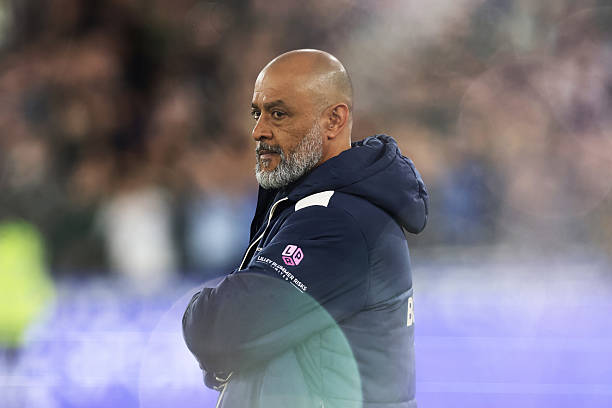
DANNY ROHL VOW NEVER TO PLAY HIM AGAIN —CALL HIM A COMPLETE WASTE OF MONEY AND POSITION, WITH FANS LEFT DIVIDED HIS BRUTAL DECISION

Tension has erupted following explosive comments from Danny Rohl, who reportedly vowed never to play defender John Souttar again — describing him as a “complete waste of money and position” in a brutally honest assessment that has left fans sharply divided.
The dramatic statement came in the aftermath of what was viewed as a deeply disappointing performance. Expectations had been high, particularly for a player entrusted with anchoring the defence and bringing composure during crucial moments. Instead, what unfolded on the pitch appeared to frustrate the manager to the point of no return.
Throughout the contest, Souttar struggled to assert authority at the back. Key defensive situations were mishandled, positional awareness came under scrutiny, and moments that demanded leadership were met with uncertainty. In matches where fine margins determine outcomes, such lapses can prove costly — and Rohl made it clear he believed they did.
The manager’s words were striking not only for their severity but also for their finality. To publicly declare a player unavailable moving forward signals a decisive stance. Rohl’s reputation has often been built on discipline, structure, and uncompromising standards. His comments suggest he feels those standards were not met.
Yet, as strong as the criticism was, the reaction among supporters has been far from unanimous. A section of the fanbase has backed the manager’s hard-line approach, arguing that professional football demands accountability at every level. In their view, maintaining competitive integrity requires difficult decisions, even when they involve experienced players.
Conversely, many supporters have expressed concern over the tone and timing of the remarks. They argue that public criticism of such magnitude risks damaging confidence rather than rebuilding it. Footballers, after all, operate under immense pressure, and recovery from poor performances often requires support as much as scrutiny. Some fans believe Souttar’s previous contributions warrant patience rather than outright dismissal.
The financial dimension has further intensified debate. When a manager labels a player a “waste of money,” it inevitably shifts focus to recruitment decisions and squad planning. Investment in players carries expectations, but adaptation to tactical systems, teammates, and match intensity can take time. Critics of Rohl’s stance suggest that dismissing value so abruptly may overlook broader contextual factors.
Within the dressing room, the impact of such a declaration could be significant. Statements like this serve as a warning to others — performance levels must remain high or consequences will follow. It reinforces the message that no position is guaranteed, regardless of reputation or past achievements.
For Souttar, the spotlight now burns brighter than ever. Professional careers are often defined by moments of adversity and the response that follows. Whether this episode marks a turning point toward redemption or a permanent fracture remains uncertain.
Football narratives are rarely static. Today’s controversy can become tomorrow’s comeback story. What is undeniable is that Rohl’s brutal decision has ignited conversation, split opinion, and raised the stakes within the squad.
As the season progresses, all eyes will remain fixed on how this situation unfolds — and whether firm leadership or fractured unity will define the next chapter.