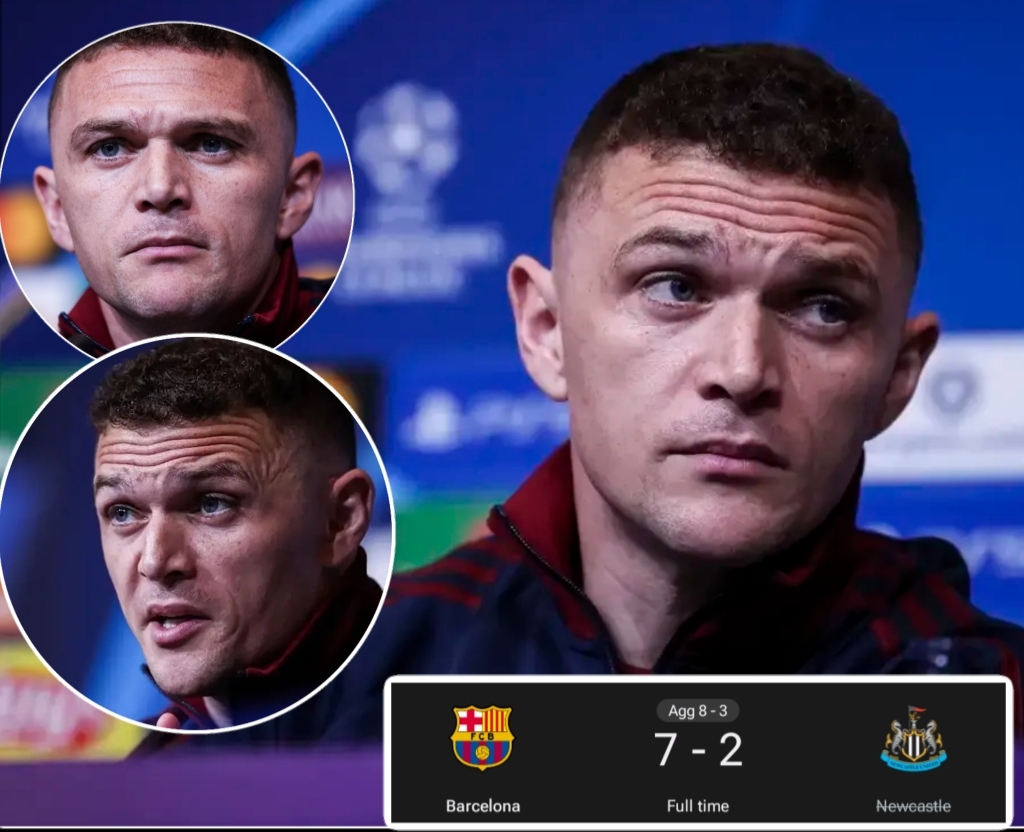
In a football landscape often dominated by headline names and predictable praise, a refreshing and somewhat controversial perspective has emerged from within the club’s hierarchy.
The club owner has turned attention away from the usual stars—players like Morgan Gibbs-White and other fan favorites—and instead shone the spotlight on a figure many had recently overlooked: Elliot Anderson.
The decision has sparked widespread debate, particularly among supporters of Nottingham Forest, where Anderson’s recent performances had drawn mixed reactions. Just a week ago, sections of the fanbase were openly critical, questioning his consistency, decision-making, and overall impact on the pitch. Social media platforms were filled with skepticism, with some even suggesting he should be benched in favor of more established options.
However, the owner’s unexpected endorsement has dramatically shifted the narrative.
Describing Anderson as a “hidden gem,” the owner emphasized qualities that may not always be immediately visible to the average spectator. Beyond the obvious metrics of goals and assists, Anderson’s work rate, positional intelligence, and tactical discipline were highlighted as key attributes that make him invaluable to the team’s long-term vision. It’s a perspective that suggests a deeper appreciation for the subtleties of the game—elements that often go unnoticed but are crucial to a team’s structural balance.
This bold statement has not only reignited discussions about Anderson’s role but also challenged fans to reassess their expectations. In modern football, where instant impact and statistical output often define a player’s worth, the recognition of a more understated contribution is both rare and significant.
Analysts have since revisited recent matches, pointing out moments where Anderson’s off-the-ball movement created space, his pressing disrupted opposition build-up, and his composure helped maintain midfield stability. While these actions may not make highlight reels, they are integral to a team’s overall performance—something the owner appears keenly aware of.
The reaction online has been nothing short of explosive. Supporters are divided, with some applauding the owner’s insight and willingness to back a developing talent, while others remain unconvinced, arguing that performances must ultimately speak louder than words. Regardless of where opinions fall, one thing is certain: Anderson is now firmly at the center of attention.
For the player himself, this public vote of confidence could prove transformative. In a sport where confidence often dictates performance levels, knowing that the club’s leadership believes in his potential may provide the boost needed to silence critics and elevate his game.
As the season progresses, all eyes will be on Elliot Anderson. Whether he rises to meet these heightened expectations or continues to polarize opinion remains to be seen. What is clear, however, is that the narrative surrounding him has changed dramatically—and sometimes, all it takes is one powerful endorsement to turn criticism into curiosity, and doubt into belief.